

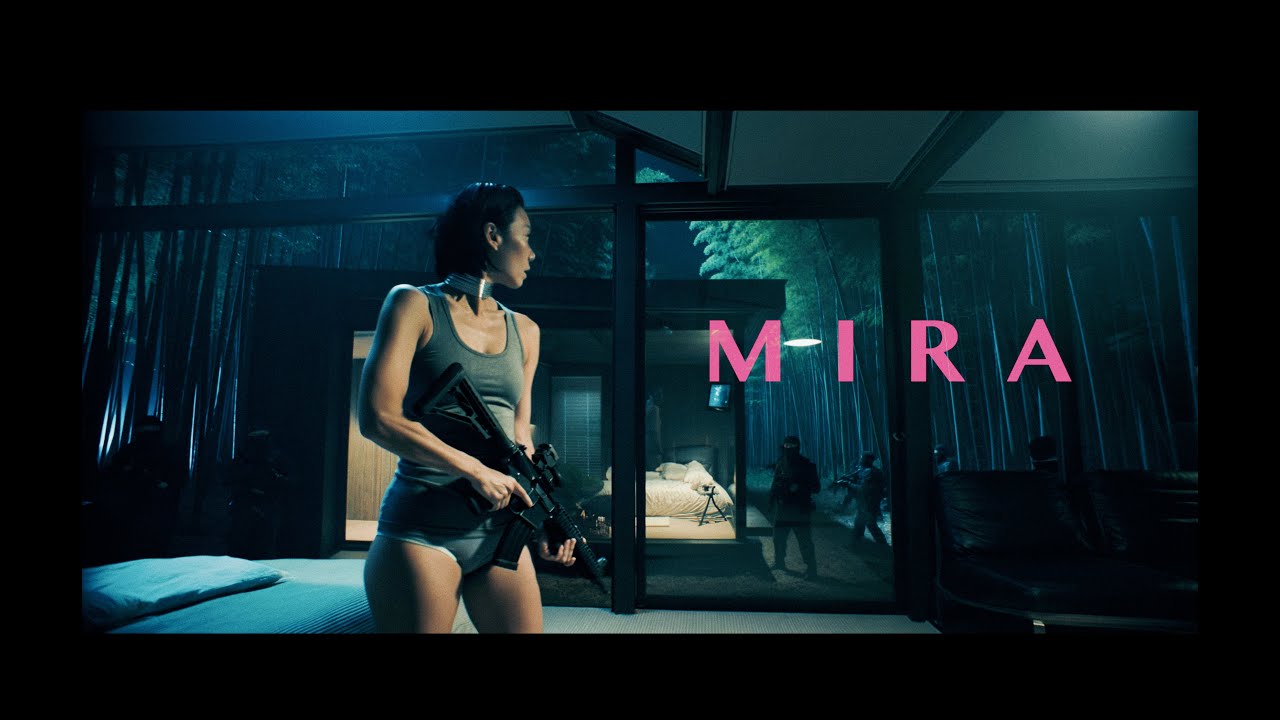

If you’ve been paying attention to AI video lately, you’ve probably noticed one thing: Kling does not slow down.
In a very short time, the Kling model family has gone from basic motion clips to full audio + video generation, natural-language editing, and a genuinely unified multimodal system with the O1 series. Every release seems to remove another annoying limitation creators have been dealing with for years.
And because Kuaishou ships major updates roughly every 2–3 months, people are already asking the obvious question:
👉 What does Kling 3.0 look like?
Let’s break down how Kling got here—and what the next jump could mean for creators using Influencer Studio.
A Quick Look Back: How Kling Keeps Leveling Up
Kling’s progress hasn’t been random. Each version clearly fixed something that was holding creators back.
The big shift happened with O1. That’s where Kling stopped feeling like a collection of tools—and started feeling like a real creative engine.
So… What Might Kling 3.0 Bring?
Nothing here is officially confirmed, but based on how Kling has evolved, a few things feel very likely.
1. Real 4K Video (and Maybe 60fps)
Kling’s resolution upgrades have been steady:
Early versions → 720p
Recent versions → 1080p
The next obvious step is native 4K, possibly at 60fps.
Why this matters: once AI video looks good enough for ads, films, and big screens, it stops being a “toy” and starts replacing real production pipelines.
2. Way Longer Clips (30–60 Seconds)
Right now, most Kling videos live in the 5–10 second range. That’s fine for snippets—but not for real storytelling.
Kling 3.0 could push into 30–60 second generations, which would be a huge unlock:
Full scenes
Dialogue moments
Actual narrative beats
This is hard to pull off (memory + consistency get tricky), but it’s the direction everything is heading.
3. Edit Just One Part (Not the Whole Video)
O1 already lets you edit videos with text prompts—but it often regenerates more than you want.
Kling 3.0 could introduce true regional editing, where you say:
“Change just the outfit”
“Fix the face in this corner”
“Replace this object only”
No full re-render. No starting over. Just real edits.
That’s a massive quality-of-life upgrade.
4. Better Physics (Less Melting, More Reality)
Let’s be honest: AI video still struggles with things like:
Hugging
Fighting
Hair and clothing
Close-up interactions
Kling 3.0 may finally tackle this with physics-aware generation, meaning:
Characters don’t merge into each other
Clothes behave like clothes
Depth and occlusion actually make sense
This is one of the biggest gaps between AI video and real footage right now.
5. One Model That Does Everything
Today, Kling still has different systems for:
Text → video
Image → video
Editing
Audio
Avatars & lipsync
Kling 3.0 could merge all of that into one unified model, so creation, editing, and refinement feel continuous—not fragmented.
Think less “tools,” more flow.
6. Memory That Carries Across Scenes
If you’ve ever tried to make multiple clips with the same character, you know how painful consistency can be.
Kling 3.0 might introduce persistent memory, where the model remembers:
Your character
The environment
The visual style
The story context
Across multiple generations.
That’s how you go from clips → actual projects.
7. Built-In Storyboards
Kuaishou has already teased multi-scene workflows with Canvas Agent.
In Kling 3.0, this could turn into:
Shot-by-shot planning
Scene timelines
Consistent lighting and color
Previewing the whole sequence before exporting
Basically, AI video starts to feel like a real editor—not just a generator.
The Competition Isn’t Standing Still
Kling isn’t alone anymore.
Sora 2 is pushing long-form realism
Runway Gen-3 is great for control
Pika is fast and creative
Vidu nails certain aesthetics
Historically, Kuaishou doesn’t respond with small updates—they respond with big jumps. Kling 3.0 will likely try to check many of these boxes at once.
When Could Kling 3.0 Drop?
Looking at past releases:
Early 2025 → V2.1
Spring 2025 → V2.5 / V2.6
Mid-2025 → O1
All signs point to Q1 2026, possibly as early as February or March.
Why This Is Exciting for Influencer Studio Creators
If Kling 3.0 lands anywhere near these expectations, it changes a lot:
Fewer steps between idea → final video
Longer content without stitching clips
Real edits instead of regenerating everything
Consistent characters across projects
That’s the difference between “AI experiments” and AI-native filmmaking.
Final Thought
Kling’s track record is simple: it keeps shipping faster than people expect.
If Kling 3.0 continues that trend, it could be the release where AI video stops feeling experimental—and starts feeling inevitable.
And yes—when Kling 3.0 drops, Influencer Studio will be ready to support it fast so creators can actually use these features day one.
More soon 👀